

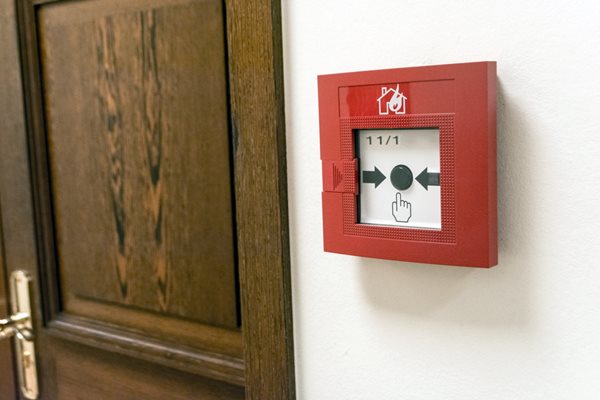
A £153,000 fine over fire safety failures at a Leeds block highlights why duty holders must act on known risks.
Scanlans Property Management LLP admitted failing to comply with an enforcement notice concerning a defective fire alarm and incorrect evacuation signs at Ahlux House. It must also pay more than £13,000 in costs.
West Yorkshire Fire and Rescue Service said ‘stay put’ notices remained despite a requirement for simultaneous evacuation. The judge found a ‘high likelihood of serious harm’.
For Fire & Security Association (FSA) Members and their clients, the message is clear: fire safety is an ongoing management duty, not an installation milestone. Systems, maintenance, evacuation procedures and resident information must work together. Defects must be resolved, with action recorded and checked.
Competence matters. Clients should check that contractors have the skills, knowledge and experience for the work. Appointing a specialist does not remove the responsible person’s duties: oversight, timely remedial action and clear communication remain essential.
These lessons reflect the Building Safety Act 2022’s emphasis on accountability. Section 156 strengthened Fire Safety Order duties on recording risk assessments and safety arrangements, co-operation and resident information. Relevant duties extend beyond high-rise buildings, including to communal areas of multi-occupied residential buildings.
This conviction concerned an enforcement notice—not the Act’s separate higher-risk building regime, which does not apply to every block. Duty holders must establish which requirements apply and who is responsible.
FSA Members can reinforce four priorities with clients: investigate recurring false alarms, escalate unresolved defects, keep service and remedial records, and flag conflicting evacuation information for competent review. Installing protection is only the start. Managing it effectively is what counts.
Last updated 21 October 26