
Labour Party Conference in Liverpool had a palpable sense of energy. The new Prime Minister, Andy Burnham pitched his speech around his long term vision for the UK, generated real excitement among delegates. Yet the mood among the businesses and industry representatives I spoke to was more measured. Goodwill is present, but judgement is being reserved until the Budget on 28th October and policy commitments translate into visible delivery.
A first for the electrical industry
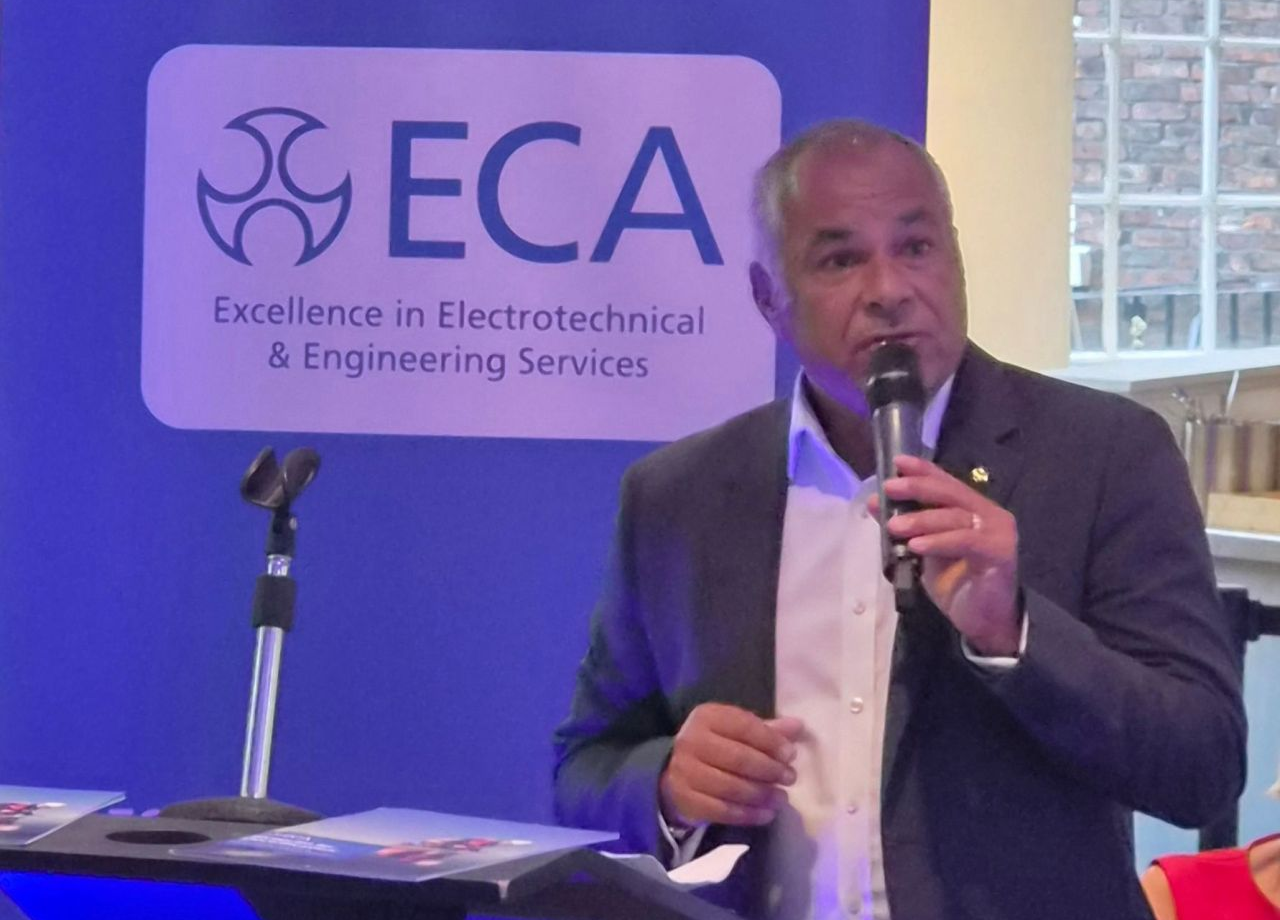
A conference highlight was Electrifying Our Future – Untapped Potential, the first dedicated electrical fringe event of its kind at a Party Conference. Hosted by ECA, JTL Training, and the JIB, it brought political, union, and industry voices together to discuss how Government and employers can build the skilled, competent and more diverse workforce required for electrification. Its central message was clear, the UK will be unable to electrify at pace, deliver warmer homes, or a modernised grid without enough qualified electricians.
That reception mattered beyond the room. It gave our sector a stronger platform in national political debate and demonstrated the practical contribution ECA Members can make to growth, decarbonisation and infrastructure. It also underlined the urgency of moving learners into apprenticeships and skilled employment, rather than allowing growing interest in electrical careers to stall before qualification.
Devolution changes the influencing landscape
A recurring question for me was what deeper regional devolution will mean for trade associations. As more decisions move away from Number Ten ‘South’, established national routes of influence may become less direct. ECA is ahead of the game through our 13 regional Electrotechnical Training and Careers Alliances (ETCAs) and the reach of our Member businesses, but the practical implications of “investment in place” for mayoral authorities are not yet clear. We will need to understand who controls funding, how priorities are set, and where Members can most effectively help shape delivery. For our sector, that makes regional relationships not an optional extra but an increasingly important part of effective representation.
Jonathan Reynolds, the reappointed Business Secretary, reinforced that direction at the business dinner I attended. There was broad support across the business community for using public procurement to strengthen British supply chains. The detail of what a ‘Buy British’ campaign would look like today, is not yet fully understood, but the appetite to back domestic capacity was unmistakable. Reynolds also acknowledged that the Department for Business and Trade spends a great deal of time stopping initiatives that other Government departments want to pursue, with adverse consequences for businesses. He said plans to tackle that, alongside business taxation are at the top of his inbox. As a doer, expect to see a continuation of his previous emphasis on R&D through organisations such as Innovate UK, a push to resolve grid-connection and planning barriers, and further trade deals beyond the EU.
Closer ties with Europe?
Business was keen to hear about the substance of the EU reset. It was clear the Government’s immediate concern is on concluding current negotiations ahead of the next UK EU summit, expected at the end of November. Existing work includes closer cooperation on electricity, an area with obvious interest to ECA Members.
Burnham’s style is to invite open debate on issues that other politicians might avoid. His conference message stressed honesty, power moving out of Westminster and growth reaching every postcode, while opening a wider discussion about Britain’s long-term relationship with Europe. That willingness to put difficult questions on the table is refreshing, but industry will ultimately judge the Government on clarity, consistency, and outcomes.
A competitive political landscape
The Labour Party left Liverpool with improved polling and appears to have checked some of Reform UK’s momentum, and is making considerable inroads into the new ‘social’ Green vote. The Conservatives under Kemi Badenoch are still firmly in contention. A YouGov poll conducted on 4th and 5th October put Labour on 27%, Reform UK on 22%, the Conservatives on 20%, with both the Liberal Democrats and Greens on 11%. While the new administration has ended some uncertainty, the political landscape is far from settled. As a five-horse contest, tussling between left and right to shift the Overton window will be a feature of the coming months.
My takeaway for ECA Members
For all the speculation, nobody I met in Liverpool expects a General Election within the year. My impression is that Burnham wants to be confident of winning. More importantly he will want to demonstrate to the country he can deliver, before asking for a fresh mandate.
For ECA Members, the opportunity is clear. The Government’s ambitions on growth, devolved investment, and closer European cooperation will depend heavily on the electrotechnical sector. Burnham’s promise to review unfair gas and electricity prices will support the transition to electric technologies, strengthening the case for investment in the skilled workforce and infrastructure needed to deliver them. Our task is to keep making that practical case, nationally and regionally, while pressing for better support for electrotechnical business who will deliver the Government’s ambition.